
The Whitney was only supposed to take an hour
And I’m still thinking about what I got out of the visit.
Earlier this summer I had the luxury of an open afternoon, by myself, in NYC. The Whitney was one stop on my packed itinerary, sandwiched neatly between sample sales in Nolita and wandering around Little Island.
I’m not an active museumgoer. I’ve never quite figured out how to sink into art enough for it to move me. Or maybe it’s just that I’ve lacked the patience to stay with it long enough to get there.
But somehow this visit turned into a three-plus-hour rabbit hole in American art and culture, including a guided tour of the 2026 Biennial exhibition and some of the museum’s permanent collection (thank you Salomé!). And weeks later, I was still thinking and talking about it.
It motivated me enough to dig into the Whitney’s history and write this essay to understand why this particular visit mattered so much to me.
Starting with what you are and who you serve
Part of the answer seemed to be in the museum’s backstory.
In the early 1900s, Gertrude Vanderbilt Whitney saw an opportunity to support American artists with new ideas who were struggling to break through. She began to purchase their art and eventually established a studio in Greenwich Village to exhibit the work. By 1929, she had amassed more than 500 works and offered the collection to the Metropolitan Museum of Art as a gift. The Met declined, so she created an institution dedicated to American art, opening the Whitney Museum in 1931.
Gertrude wasn’t simply creating a home for American artists. She was also trying to create a public for them. I hadn’t thought much about this before, but museums really do feel a bit like a two-sided marketplace. Artists need an institution willing to show, contextualize and champion their work. Audiences need an experience worth giving their time and attention to. The Whitney connected the two: artists bring new ways of seeing America; the Whitney gives those ideas a platform and a public; audiences give them attention, engagement and ultimately cultural legitimacy.
Nearly a century later, the museum still carries Gertrude Whitney’s name. But an even more enduring legacy she left behind was an organizing idea for the institution: What are American artists seeing and saying now, and how do we create a place for it in the conversation?
Making choices through that idea
The Whitney embraces this question very intentionally, in its offering and in its relationship with the public.
What it chooses to carry
The Whitney’s permanent collection holds just over 27,000 works by more than 4,100 American artists from the twentieth and twenty-first centuries. That sounds like a lot until you put it next to the Met, whose collection includes more than 1.5 million objects spanning 5,000 years.
But the comparison helped me understand the Whitney differently. I’m not going there to experience an encyclopedic volume of art, nor am I going to see a specific masterpiece. And while its collection has more of a contemporary lens, for me it is less about sinking into modern art than seeing a larger perspective on American life at a point in time. It makes very specific choices about which artists and ideas become part of the story it tells about American culture.
The Biennial is the purest expression of this. Launched in 1932, just a year after the Museum opened, it remains the longest-running survey of American art. Nearly a century later, it keeps asking some version of the same questions: What are American artists making now? What are they seeing that the rest of us may not be seeing yet? And what does it even mean to call something “American”?
Some of those answers then become part of what the institution carries forward. The Whitney has a long tradition of acquiring Biennial works for its permanent collection. After the 2019 Biennial alone, it acquired 88 works by 40 participating artists.
I love that progression. An artist responds to a particular moment. The Biennial gives it a platform. And the permanent collection isn’t simply a static archive of what American art has been, but also provides a perspective on what should carry into the future.
Who it makes room for
I actually think the more consequential choice is about who gets to participate, an indication that the Whitney understands that museumgoers contribute as much to the experience as the art.
The Whitney has increasingly experimented with removing price as a barrier, offering free admission on Friday nights and the second Sunday of each month, and since late 2024, every day for anyone 25 and under.
What happened next is more interesting than the policy itself. Attendance during its free Friday and Sunday periods roughly doubled. More than half were first-time visitors, and they skewed about a decade younger and considerably more racially and ethnically diverse than the Whitney’s typical audience. On Friday nights, roughly 60 percent reported household incomes below $50,000, versus about 20 percent of the general Whitney audience.
At face value one may say this is a necessary investment to cultivate growth audiences, future-proofing its revenue streams. But I’d argue it is also sending a clear signal about who it wants to be part of its community today; who it believes will drive conversation and interest in the institution now.
How it invites people in
But there’s also the question of whether they can find a way into the art once they’re there.
To be honest, I have a hard time with visual art. I have so much respect for it and the artists. But I never quite figured out how best to experience it.
Growing up just outside of New York, I visited a lot of museums with my parents. Clearly there were so many other ways I would have preferred to spend a Saturday afternoon. But there was the promise of a treat afterwards so I would dutifully go, standing as still as I could at each piece trying to take it all in. I was lucky to have access to so many storied institutions, and felt like I needed to get SOMETHING out of it. But honestly I couldn’t wait to leave.
Which meant that as an adult, museums are not my first stop when I’m in New York. Honestly, I don’t think I’ve even visited the Whitney since it moved from the Upper East Side, and my memory of it was lumped in with the other institutions uptown - impressive, but colder, inaccessible, and distant.
So what motivated me to visit this summer? Proximity. The chance to see a cool building with views of the water. And yes, the Biennial was the trigger, a way to experience a tightly curated microdose of the institution.
But what got me to stay? A warm, inviting environment that invited me to slow down and sink in without getting bored because of the breadth and diversity of the art. I could move at my own pace, experience the work on my own terms, without a PhD in art history. And when something earned more of my attention, there were ways to go deeper.
And from there I took a tour.
Docent Salomé was so spectacular on my Biennial tour that I immediately took a second tour with her of the permanent collection. She personified true hospitality, which I’d always missed in other museum experiences. Here was someone who knew her stuff, was super passionate about the Whitney’s mission but didn’t bury us in art history or tell us what to think. She gave us enough context to see more, asked questions, made connections, and left space for us to do something with it ourselves.
Someone can walk into the Whitney ready to nerd out on contemporary American art. Someone else can wander in because it fits neatly between lunch and the West Village. The Whitney welcomes both, with the understanding that accessibility also means meeting people with different levels of experience, interest and attention, and creating ways in for each.
Finding “meaning” on my own terms
All of these choices create the conditions for engagement. But engagement isn’t the same as making something actually matter to someone. It showed me how an institution can be extraordinarily intentional about the point of view it puts into the world without prescribing what someone should take away from it.
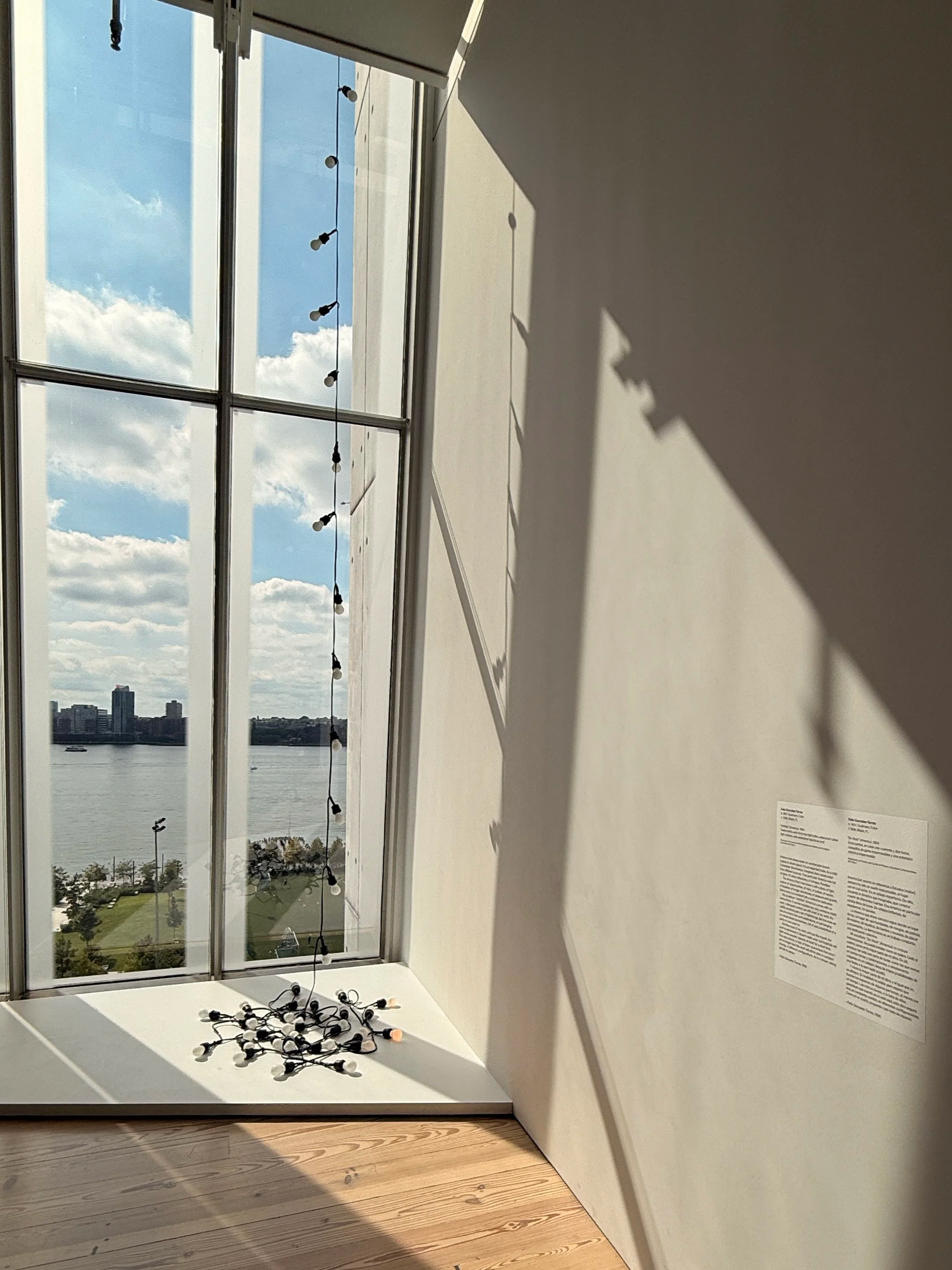
Which brings me to Felix Gonzalez-Torres’s “Untitled” (America).
A string of bare light bulbs hung from the ceiling near a window. Lightbulbs piled (arranged?!) on the floor. Exactly the sort of art where I get lost, if I’d even bothered to stop and look at it to begin with. It almost looked like a mistake. I could only imagine my kids’ reactions:
This is art?? Anyone can do this.
One of the things Salomé called out was that Gonzalez-Torres intentionally relinquished control over how this work would physically take shape when exhibited. The work consists of twelve strings of lightbulbs, but he left no instructions for how they had to be configured. The ideas behind the work were deeply his, but he left room for others to participate in how it would live.
Honestly, my experience at the Whitney felt very similar.
Salomé’s tour, and the curation as a whole, gave me considerably more context for understanding what Gonzalez-Torres and the other artists were exploring, but none of it required me to arrive at a particular conclusion. Some resonated. Some didn’t. I mean, honestly I didn’t like the lightbulb piece that much more after I had this context, and there were plenty of other pieces where I had a similar reaction.
But these works stayed with me. I had space and permission to make something of it on my own…or not.
The Whitney can put forward a point of view and create ways for me to engage with it. But ultimately, what I take away is shaped both by what the Whitney puts into the experience AND what I bring to it. And perhaps that makes it more meaningful, because what I take away isn’t something I’ve been told, but something I’ve discovered.
And I’m still talking about it because I came away with something that felt like mine. Something to keep thinking about, connect to other things, disagree with, and reconsider. I took in so many rich stories that day, but honestly what mattered more was everything I kept thinking about after the visit.
How things come to matter
I spend a lot of my work life helping businesses understand what they mean to their customers, and then making choices against that north star. The strongest brands have come to mean something because what they provide has earned a particular role in people’s lives.
This Whitney visit made me think more about how that happens, for brands, for my own business, and for the relationships that are important to me.
We can be very intentional about the role we hope to play for someone and the choices we make to deliver against it. But what that role comes to mean is also shaped by the person on the other side: what they notice, value, remember and ultimately make their own.
Which leaves me with three questions:
Do we understand who we hope to matter to, and the role we can uniquely play in their lives?
Are the choices we make consistently delivering against that role?
Are we paying attention to what people are making of it, and letting that shape what’s next?
The Whitney couldn’t make me care about art simply by putting it in front of me. It couldn’t make me like a string of lightbulbs even after I understood the artist’s intent. But it did create the conditions for me to keep going deeper into the museum experience, with enough space to come away with something of my own.
And somehow, weeks later, here I am, still thinking about the Whitney.
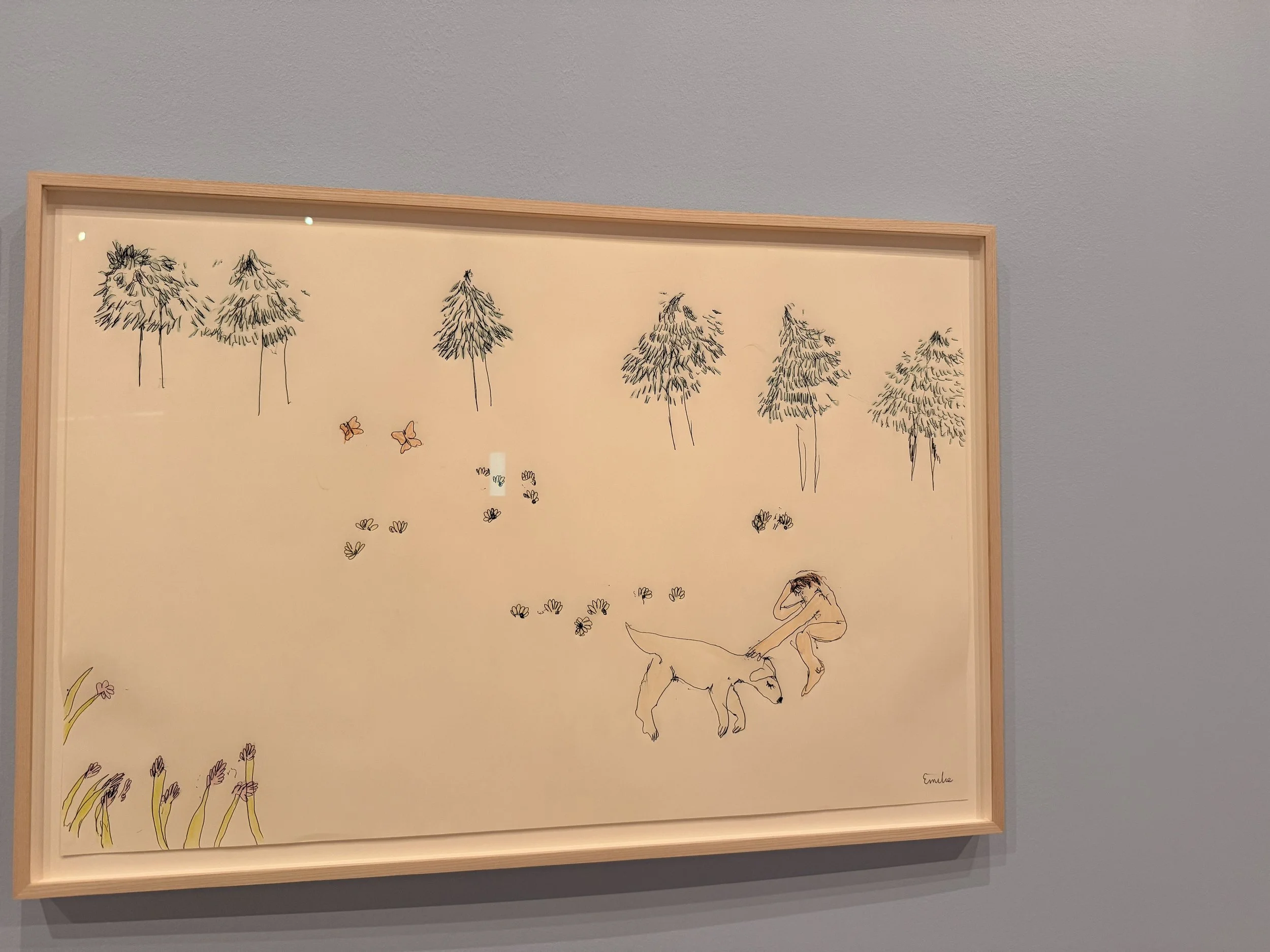
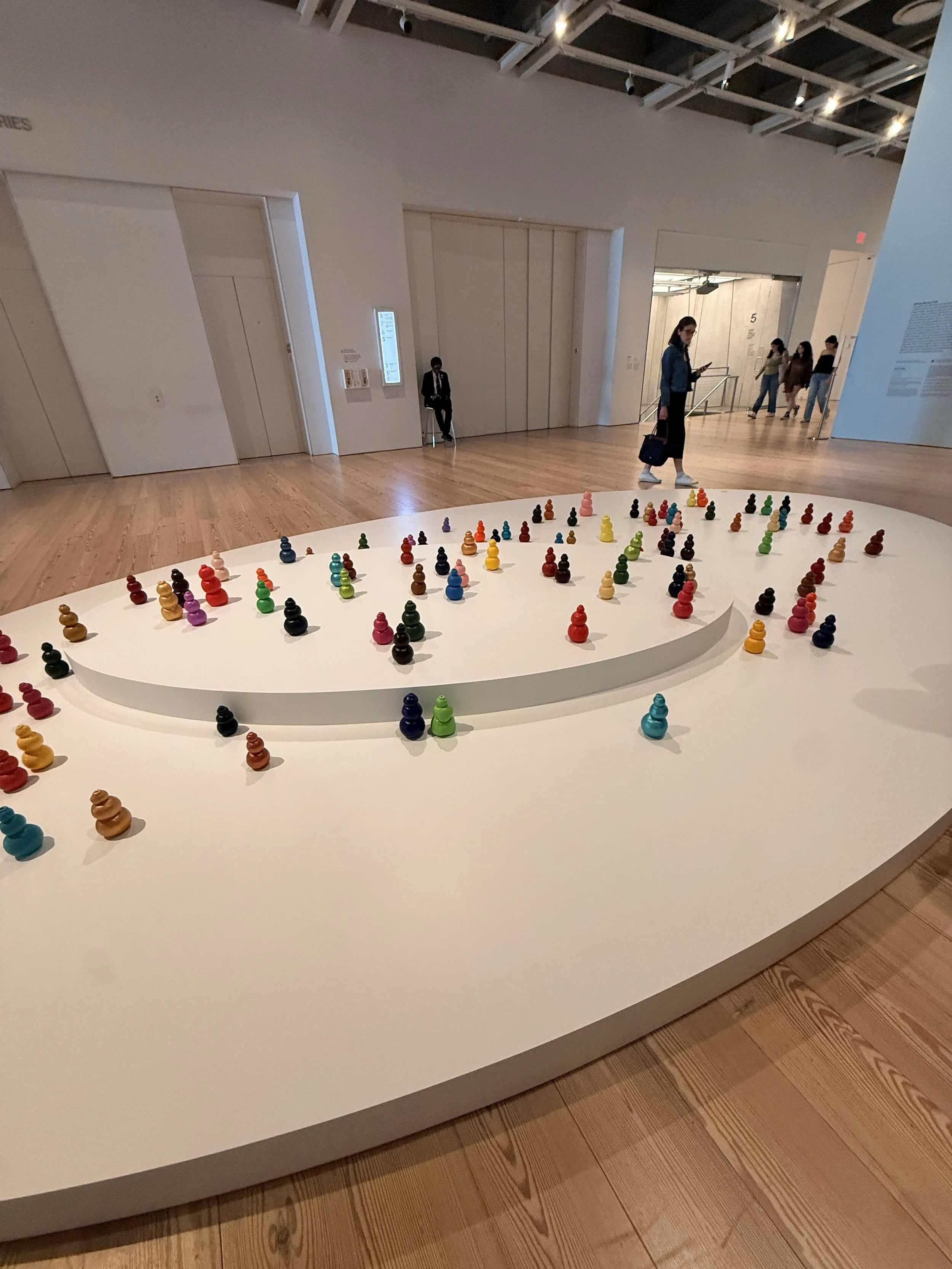
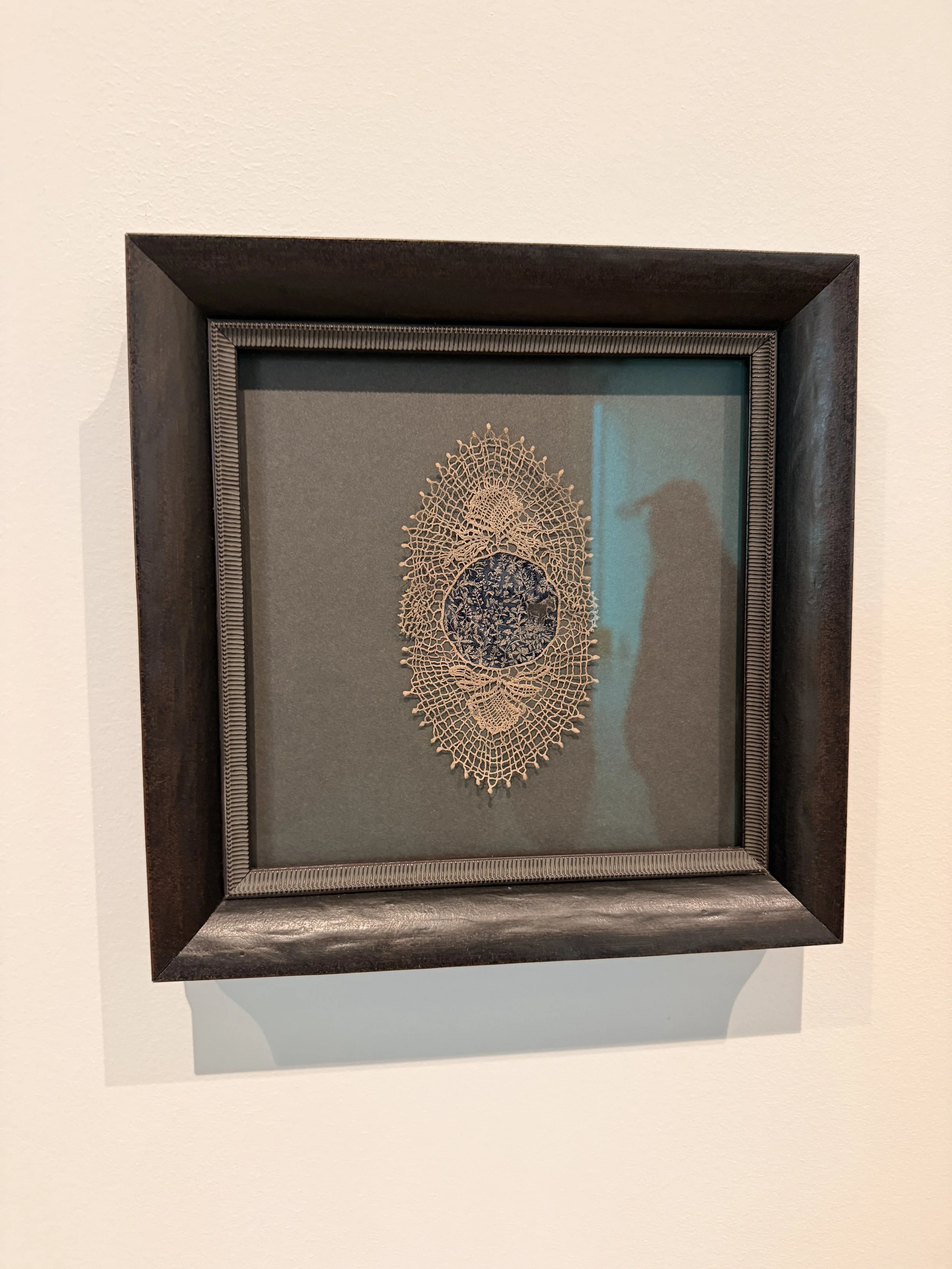
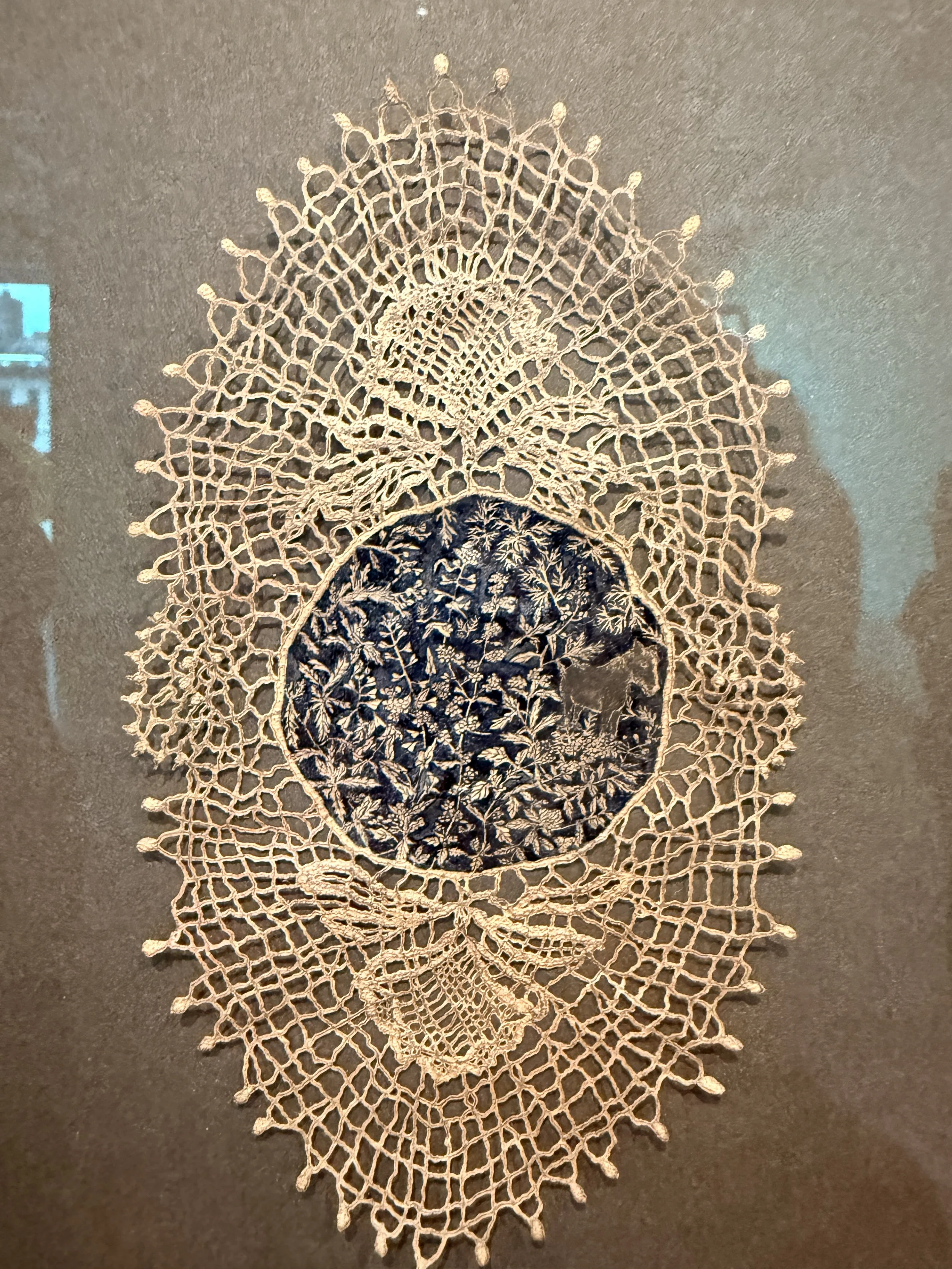
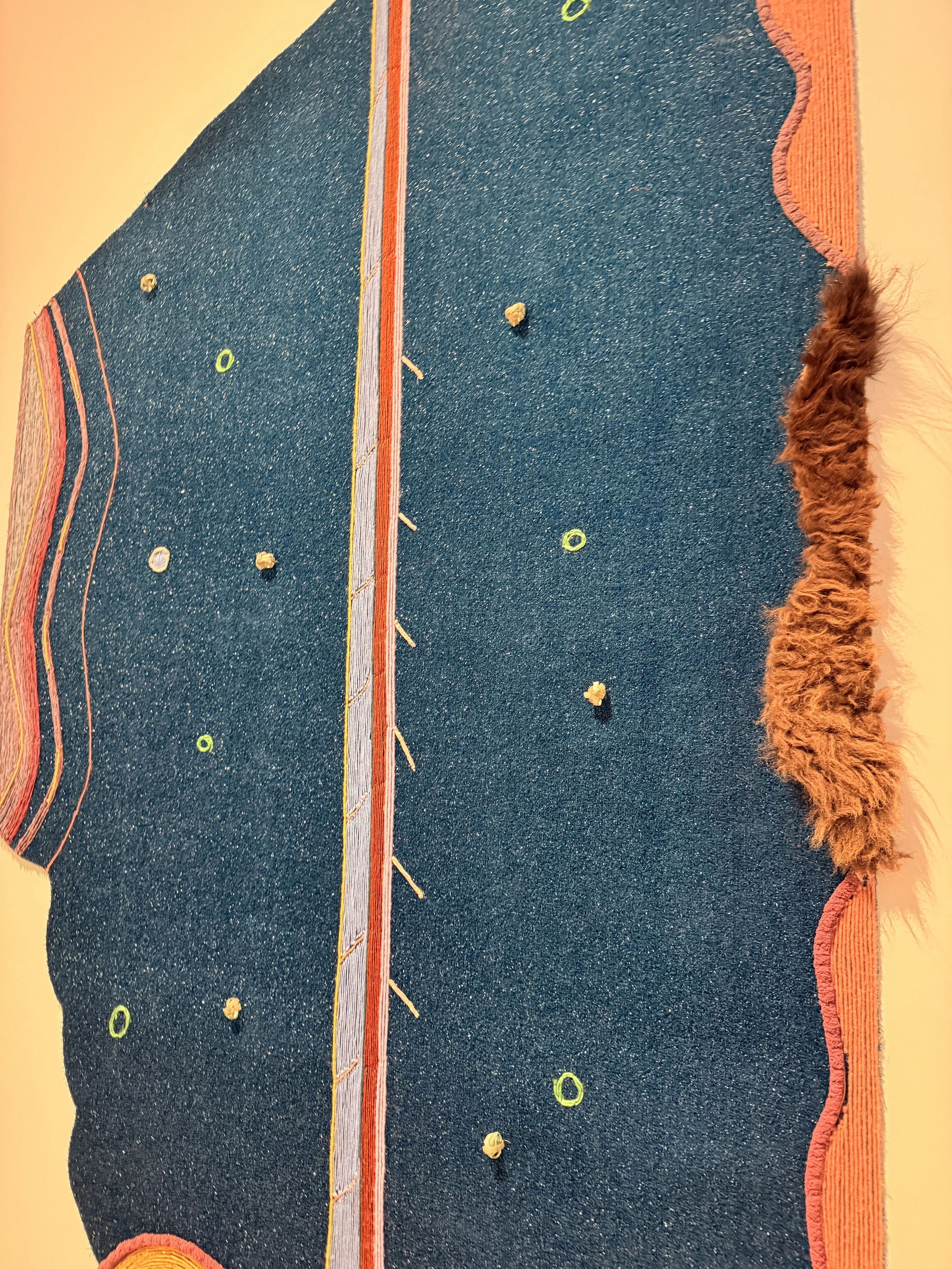
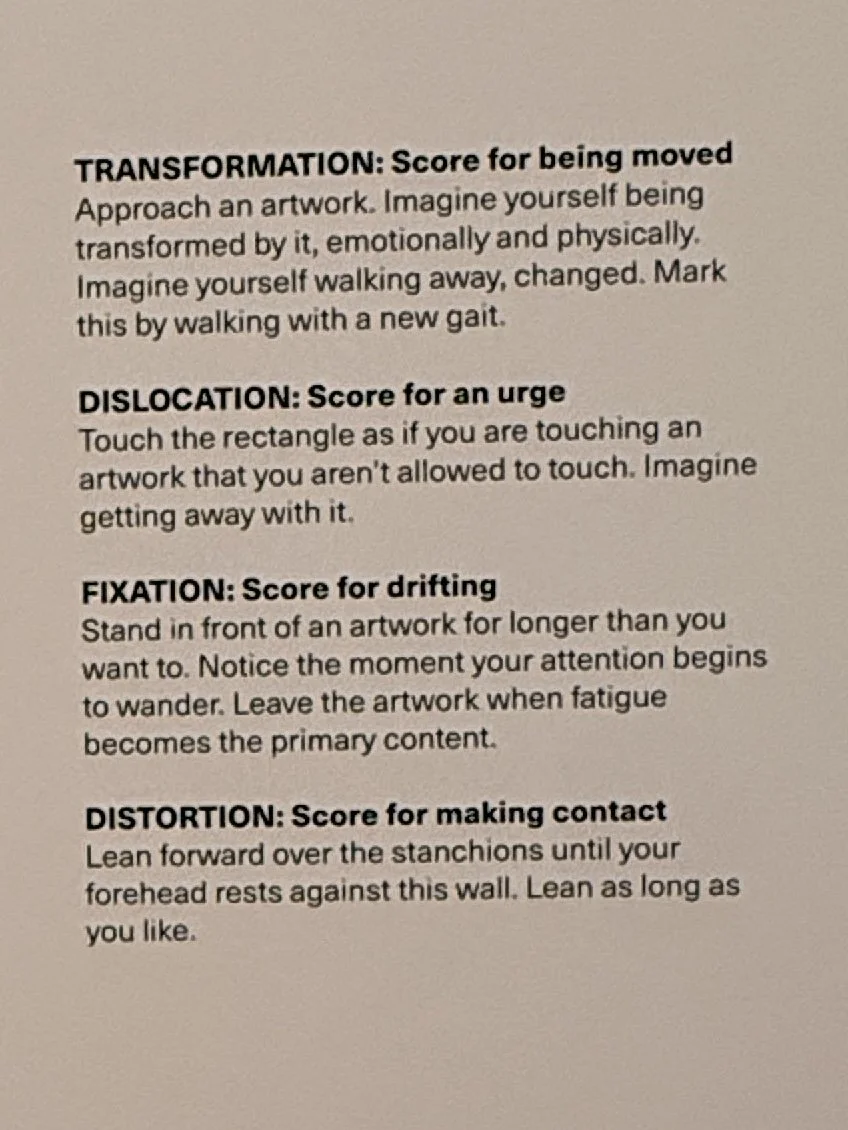
Some quick iPhone camera grabs of the pieces I found myself sinking into either because they had interesting stories, were technically impressive, and in the case of the bottom right, gave me an active way to engage with the work.
Sources:
