
Casa Bonita and the Business of Spectacle
What it looks like when a brand actually delivers on its legend.
We had the quintessential winter break trip: Rocky Mountains, snow, crisp clean air. Everyone came home a little more alive.
I wasn’t expecting the capstone memory to come from our last dinner in Denver, at an unapologetic spectacle called Casa Bonita.
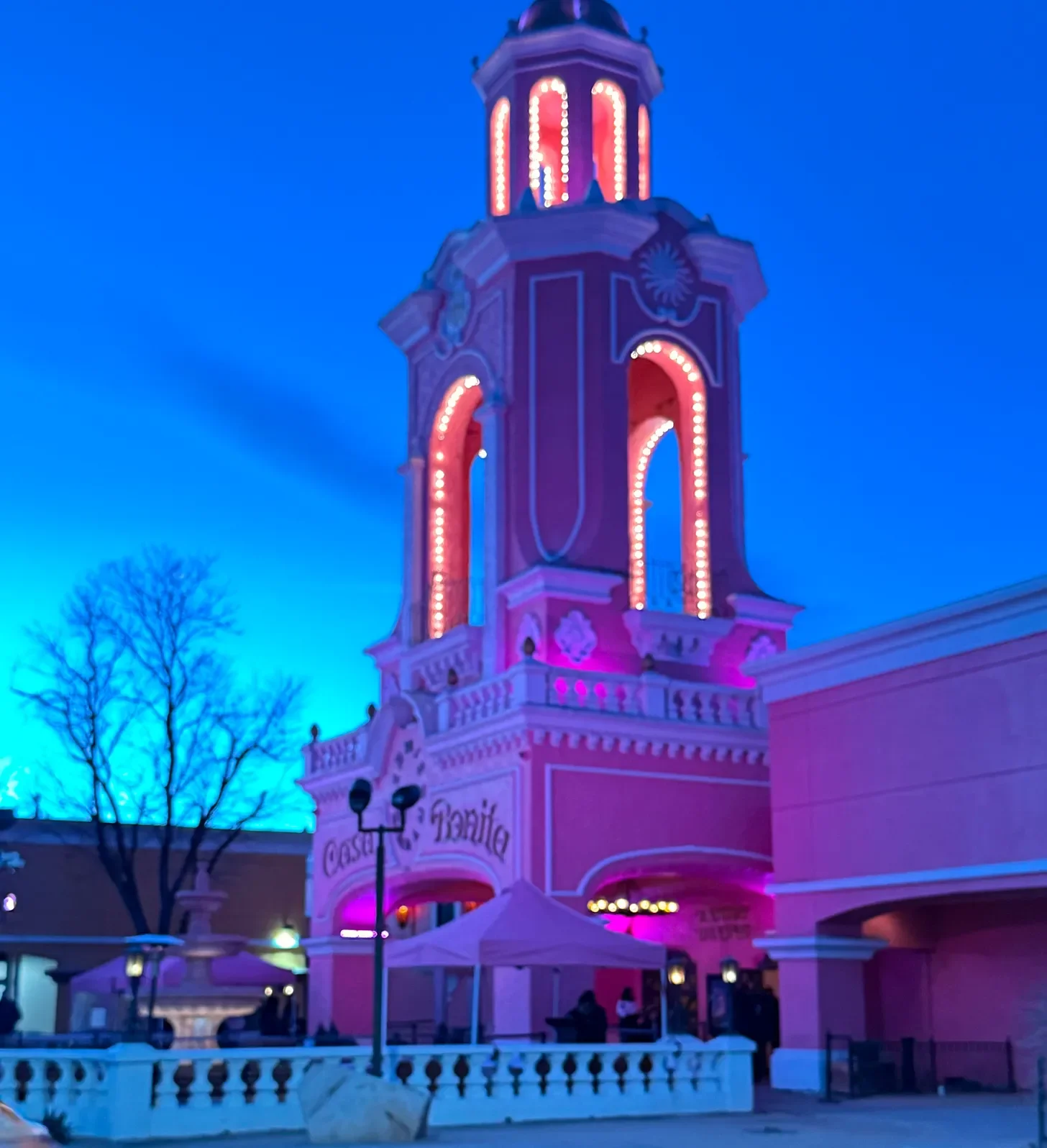
Casa Bonita is one of those rare brands that has become bigger than the thing it technically sells. It’s not just a restaurant. It’s a reference. A childhood memory. A pop culture punchline. A giant pink landmark that, if you grew up in Colorado, you’re supposed to have an opinion about, even if you’ve never been.
A small gamble (and a very early reservation)
After a week in Vail and Breckenridge, where you can easily imagine a postcard-perfect day, Casa Bonita was a risky choice to close out our trip. We could have gone for a more straightforward evening: great tacos somewhere in RiNo, followed by a solid cocktail at the Embassy Suites complimentary happy hour.
Instead, we rolled the dice and booked the only reservation we could get day-of: 4:15. Yes, even earlier than the blue plate special. But maybe that was a positive sign of what we were in for.
We were skeptical, though I was excited at the prospect of a largely phone-free dinner. At a typical restaurant, screens have sadly become the default for all of us. I was hopeful that a collective experience could actually overcome the constant urge to reach for a device.
Setting expectations: the neighborhood doesn’t sell it
We weren’t expecting to pull into a strip mall that was unassuming at best. Laundromat. Thrift store. Dollar store. Definitely rough around the edges. The kind of commercial block that might have been vibrant at one point but today would not be described as a destination.
And then an aggressively pink building comes into view, with the confidence of something that has outlived everything around it. With decades under its belt, it is not looking for your approval.
It’s beyond kitschy and so committed to itself you can’t help rooting for it.
An intense entry, and then everything flips
There was a full-on, concert-style line of people waiting to be let through security and bag check. I appreciated the safety measures, but they also reinforced the declining strip-mall reality and created the kind of operational friction that sends an uncomfortable signal: you’re not being welcomed, you’re being processed.
And then you step inside and it flips. Not gradually. Immediately.
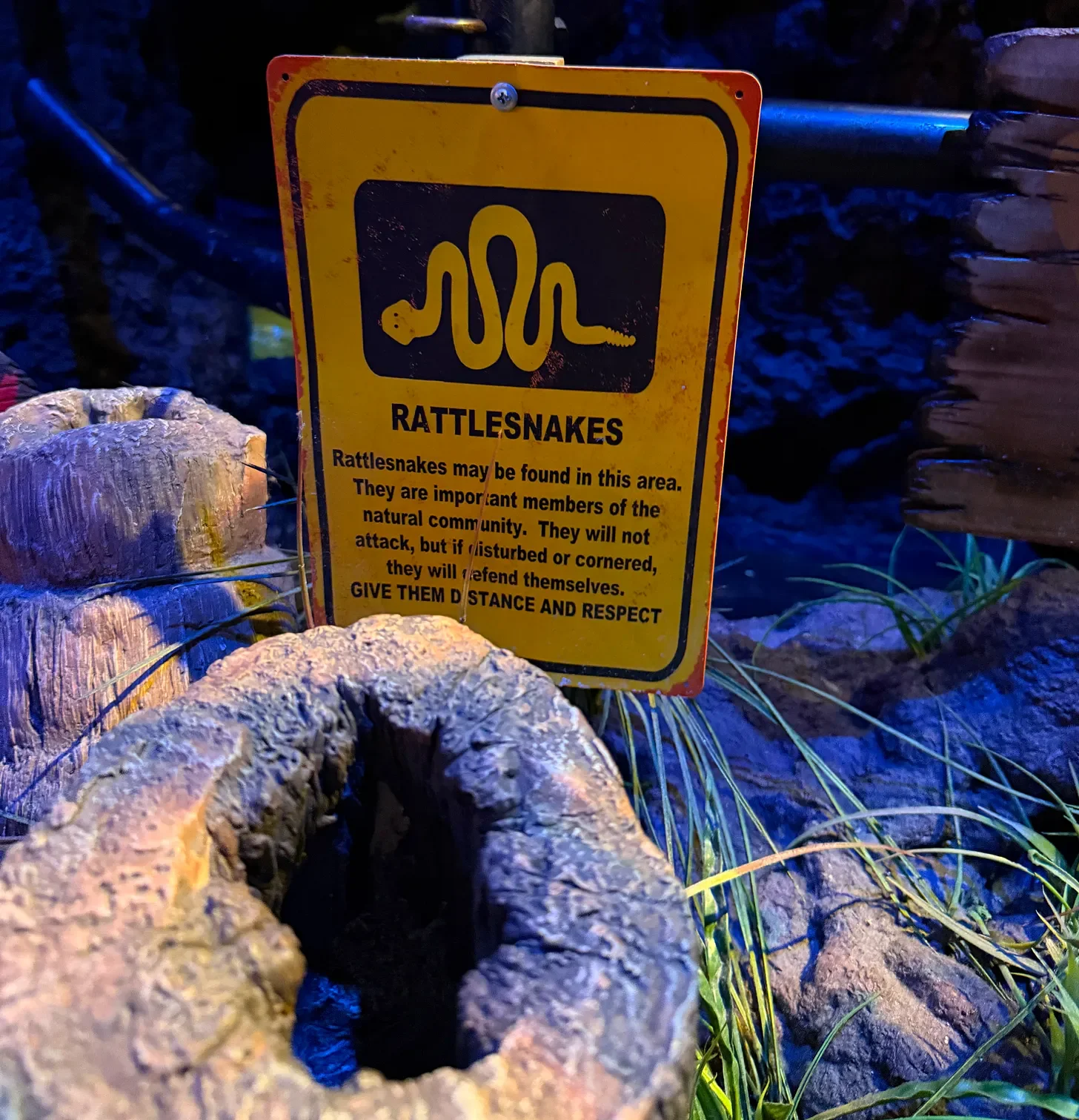
The place is not a restaurant. It’s a contained universe. Caves and corridors. Water and lights. Music echoing off walls. Little scenes tucked into corners. Pure maximalism - nothing subtle whatsoever.
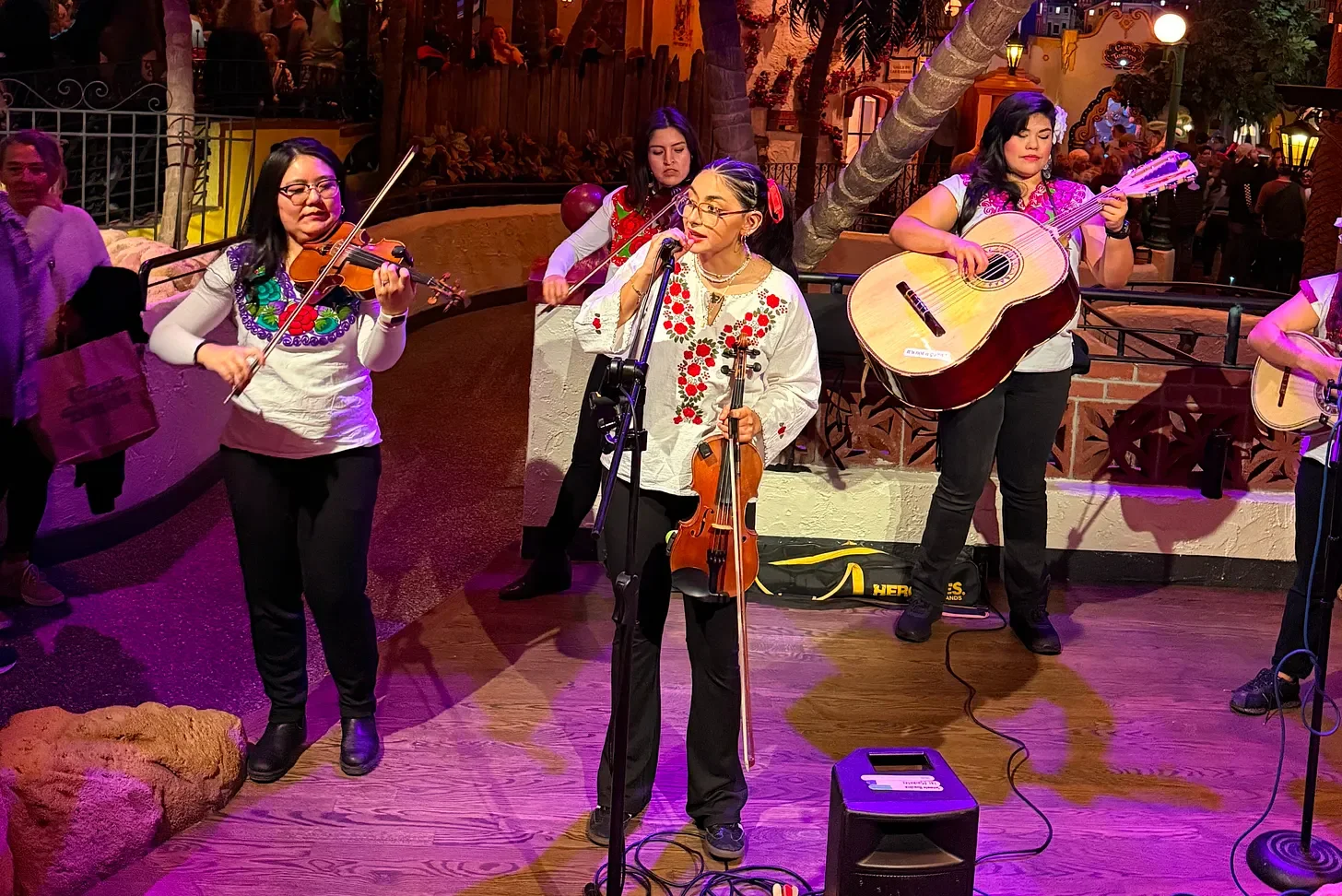
It also feels, in the most accurate way I can describe it, like a little Mexico in an Epcot sort of way: a collection of vignettes that are less about authenticity and more about immersion. Plaza energy. Alleyway energy. Vacation-brain cues reminiscent of Puerto Vallarta or Acapulco, compressed into a wandering indoor set.
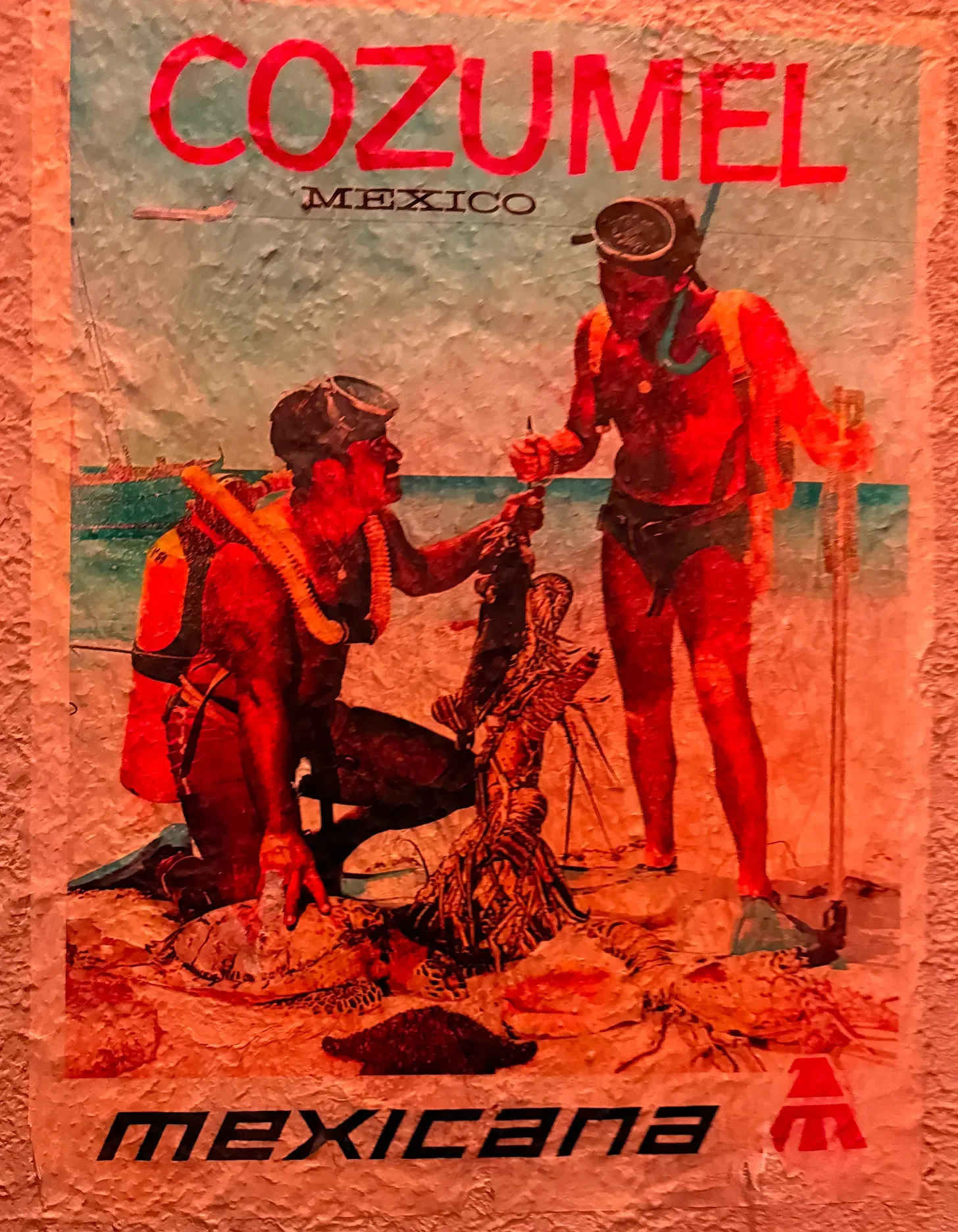
And immediately, our skepticism melted away as we were transported into the Casa Bonita world. And I mean completely transported: alert, curious, moving, pointing, reacting, pulling us down corridors like we’d entered a choose-your-own-adventure book.
Sensory overload, yes. But also the promise of good, old-fashioned IRL entertainment.
During a normal dinner, even a good one, it’s too easy for screens to reassert themselves. Here, the experience beat the algorithm. The environment carried our attention, creating mini-moments at the pace of a YouTube Shorts feed, but in real life, in a way that you can actually process what was happening.
At one point, our girls ran through the haunted mines on repeat, then shoved us through. Not my favorite, but all were thrilled to watch me lose it. Clearly another delightful byproduct of a shared experience.
The main attraction: the cliff divers, and the joy of analog spectacle
We came for the cliff divers. The indoor cliff divers are the reason Casa Bonita gets referenced at all.
We had premium seating, which meant a marquee table with a clear view of the jump. And it delivered exactly what it promised: a diver launching from three stories up into a waterfall/pool, right in the middle of this chaotic indoor world.
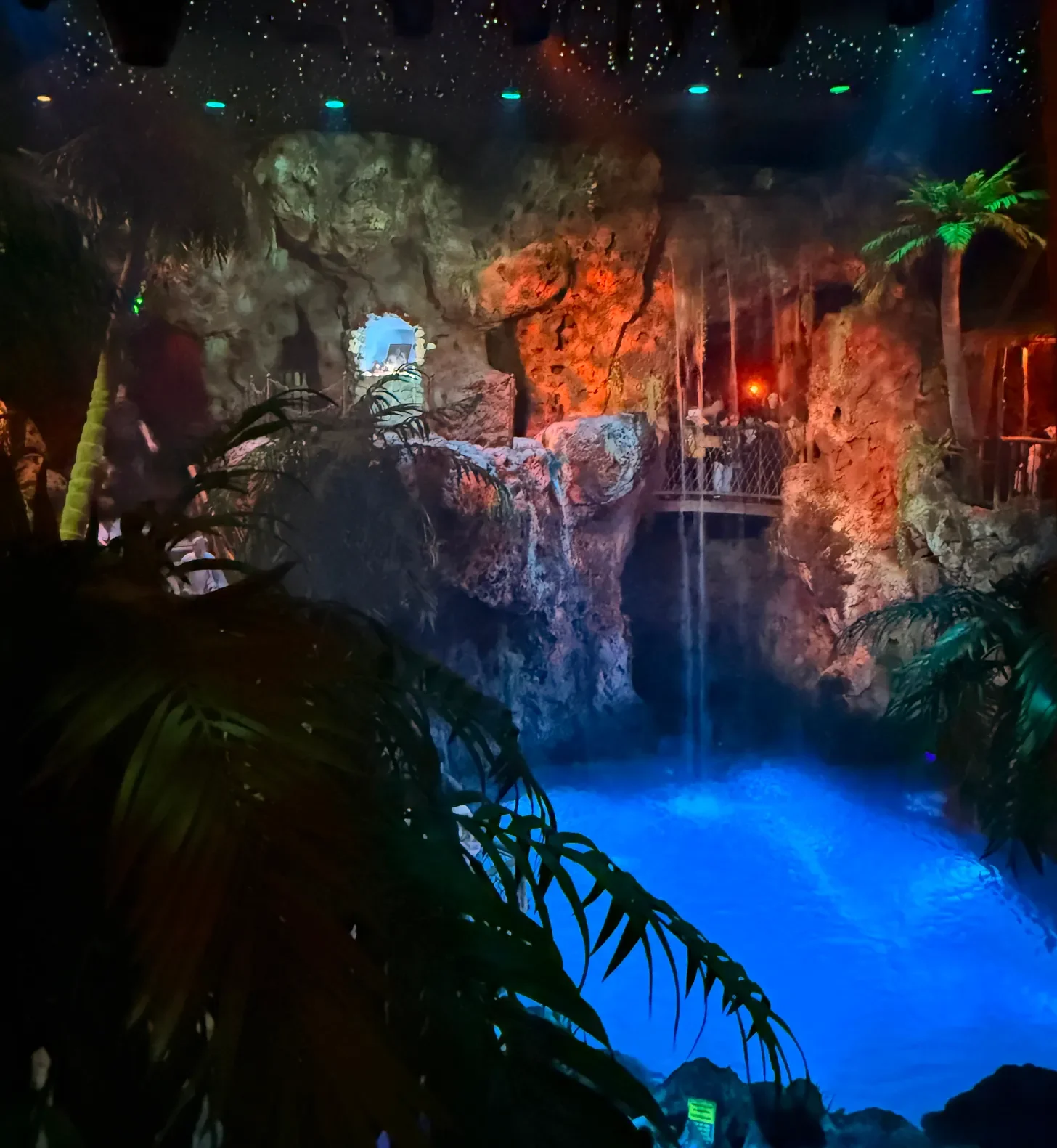
It’s ridiculous. It’s theatrical. It’s weirdly impressive. And most importantly, it’s happening live in front of you.
In a world where so many experiences are designed to be photographed, this one is designed to be watched.
It also made me think about the humans behind the magic. Casa Bonita’s performers were recently in the news for striking over working conditions and pay, and while it’s been resolved, it was an important reminder in that moment: experience businesses are entirely driven by the people selling the spectacle, and the theater only works when the jobs behind it work, too.
A place with multiple lives (and a real reinvention)
It’s hard not to think about how many lives Casa Bonita has had.
It started as an ambitious idea: dinner as a show, not as a special event, but as a repeatable engine for family memories.
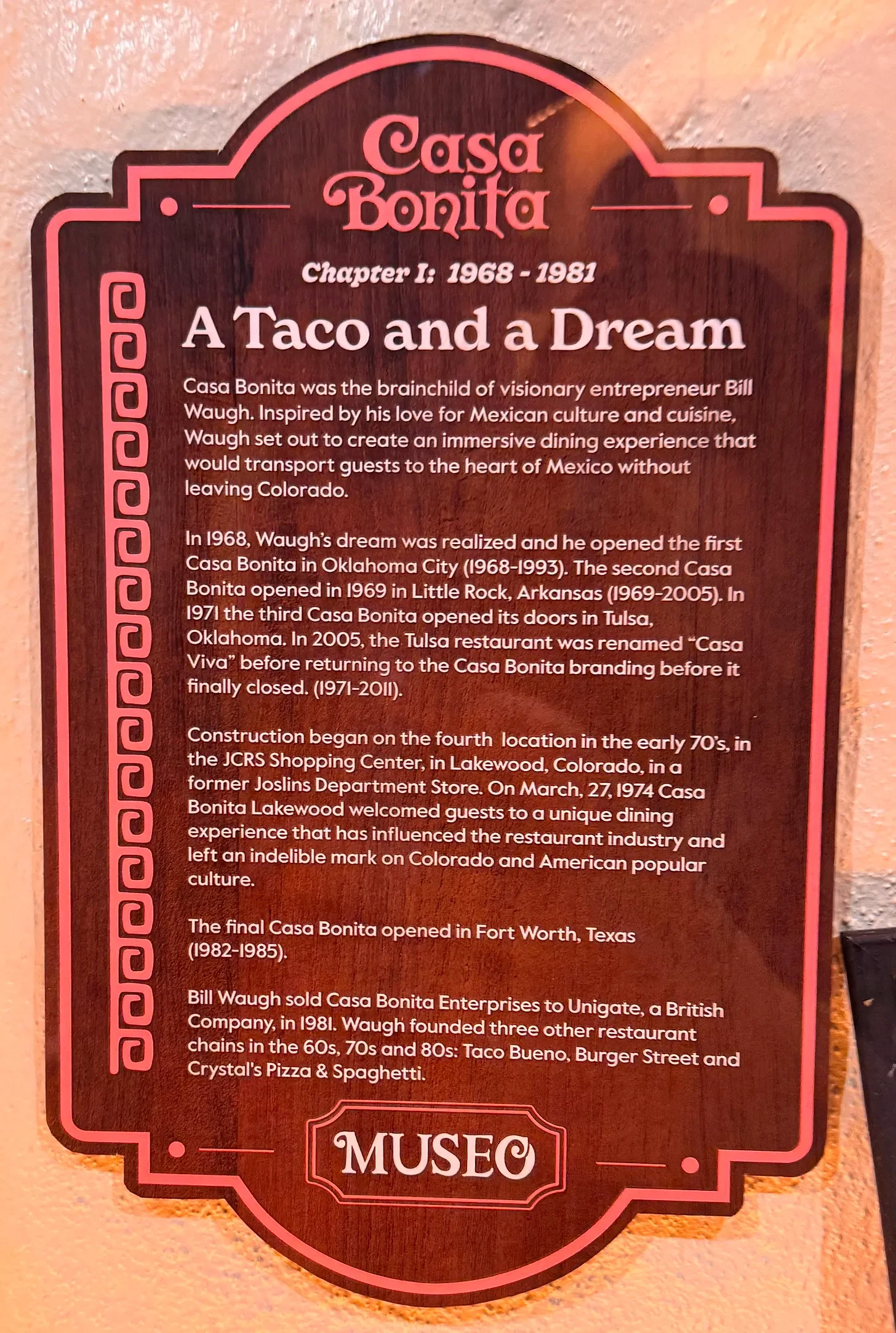
Then it became a legend. Then it went through the messy middle that most beloved institutions face: the myth stays strong, but the operations strained in carrying the magic. And like so many businesses, it collapsed under the weight of the pandemic.
And then it got a reinvention moment most brands don’t survive long enough to get.
It was purchased by the South Park creators in late 2021, who reportedly put around $40M into renovation. You can feel what this infusion represents: a real investment, not for a cosmetic refresh but rather a rebuild that kept the essential promise intact while modernizing everything required to deliver it again, at scale.
Getting to some of the most consequential brand work looks like: structure, safety protocols, hiring, maintenance, training, and fixing the unglamorous parts that make magic sustainable.
It also helps that the new owners grew up with Casa Bonita. They had childhood attachment. That’s a different kind of brand stewardship, and you can feel it in the choices: improve what was broken, preserve what made it beloved.
The food: still not the reason, but (quietly) no longer a problem
Which brings me to the food. To be clear, you don’t go to Casa Bonita for fine dining. And I’m also not talking about a divey restaurant, where the food is the experience. That’s not Casa Bonita’s promise.
But the food didn’t break the contract either, and that’s not nothing. It was fine. More importantly, operationally tight. The kind of okay that reads as “this is controlled” instead of “we gave up.”
And the “hero” items are the right ones.
Chips and salsa did exactly what they needed to do: anchor satisfaction while people were hungry.
Flour tortillas, properly wrapped in foil, maintaining the right temperature to deliver texture and substance.
And the sopapillas were unreal. Warm, indulgent, instantly memorable. The kind of signature bite that becomes part of the story you retell later, because it gives the experience one more hook.
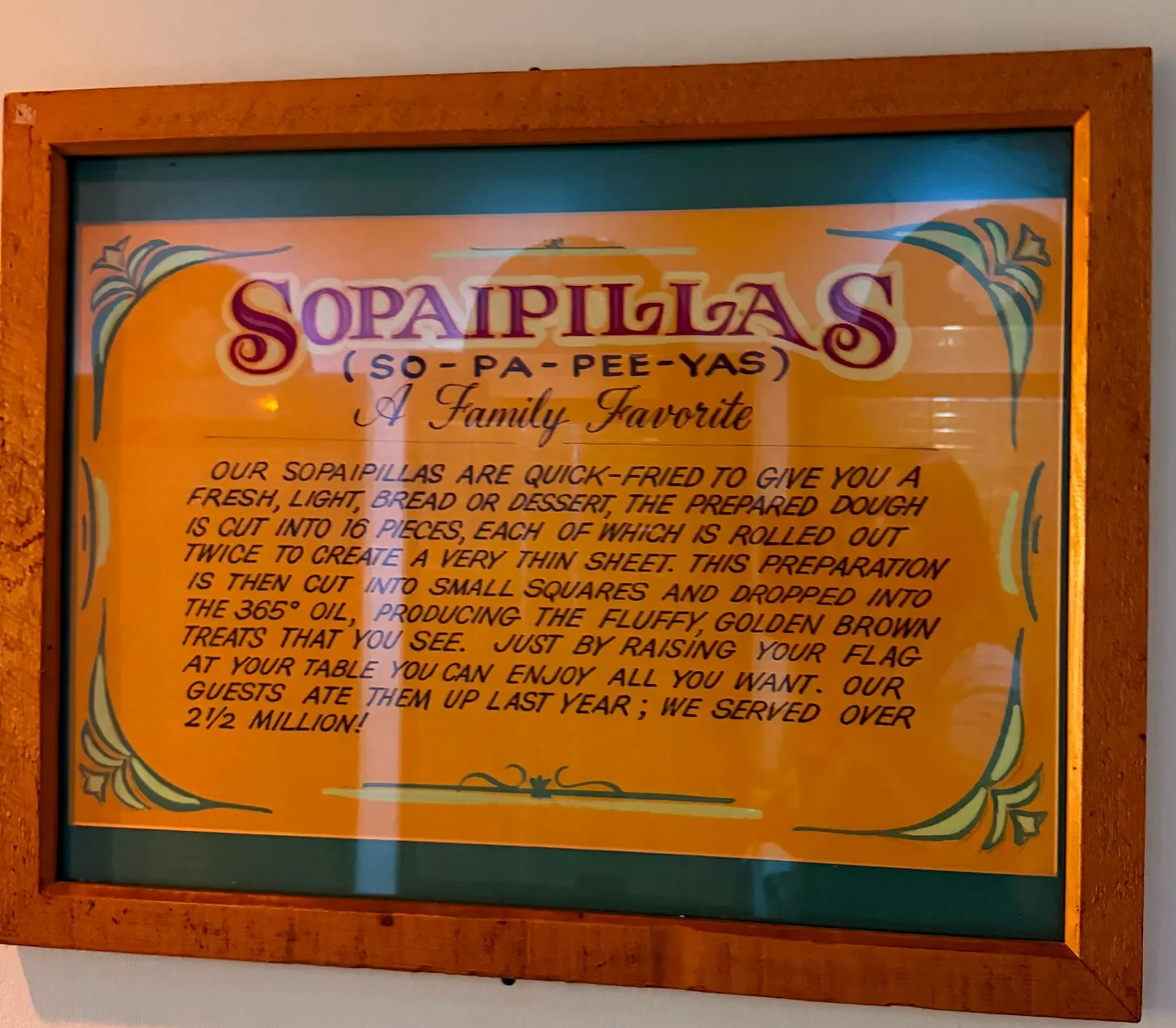
You can see the decision-making behind it. Don’t try to win at everything. Make the basics reliable. Make a few things genuinely great. Don’t let the food be the reason people feel regret.
The commerciality: everywhere, but not in a gross way
Casa Bonita is an experiential marvel, and it’s also a very well-constructed business. It’s packed with optionality.
The pricing structure feels intentional: a clear standard option, a premium option that buys you better viewing and a more “center of gravity” seat, and then a bunch of opt-in extras. It’s a simple menu of choices, and it’s hard to overstate how much that clarity helps the experience feel fair.
There’s merch everywhere, and it works because the brand experience is so memorable. There are fortune tellers. An arcade. Little paid add-ons tucked into corners like optional chapters.
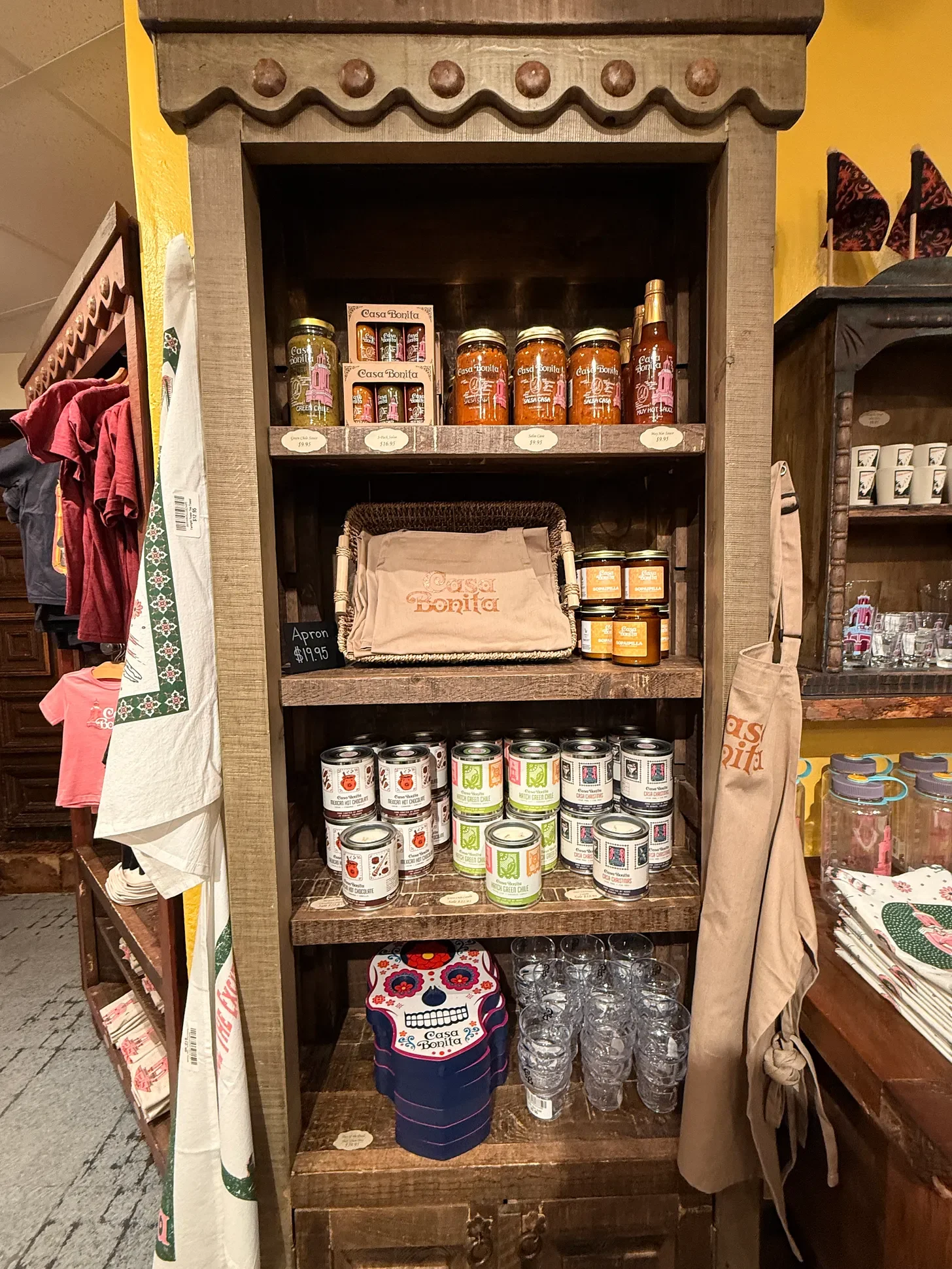
But unlike so many experiential products these days, it doesn’t feel extractive because the base experience already feels complete.
So many freebies and delightful moments (balloon animals, wishing well, music, cliff divers, face painting, puppet show, magic show, constant little scenes) create a sense of generosity. They’re value signals. They make it easy to leave thinking: we got our money’s worth.
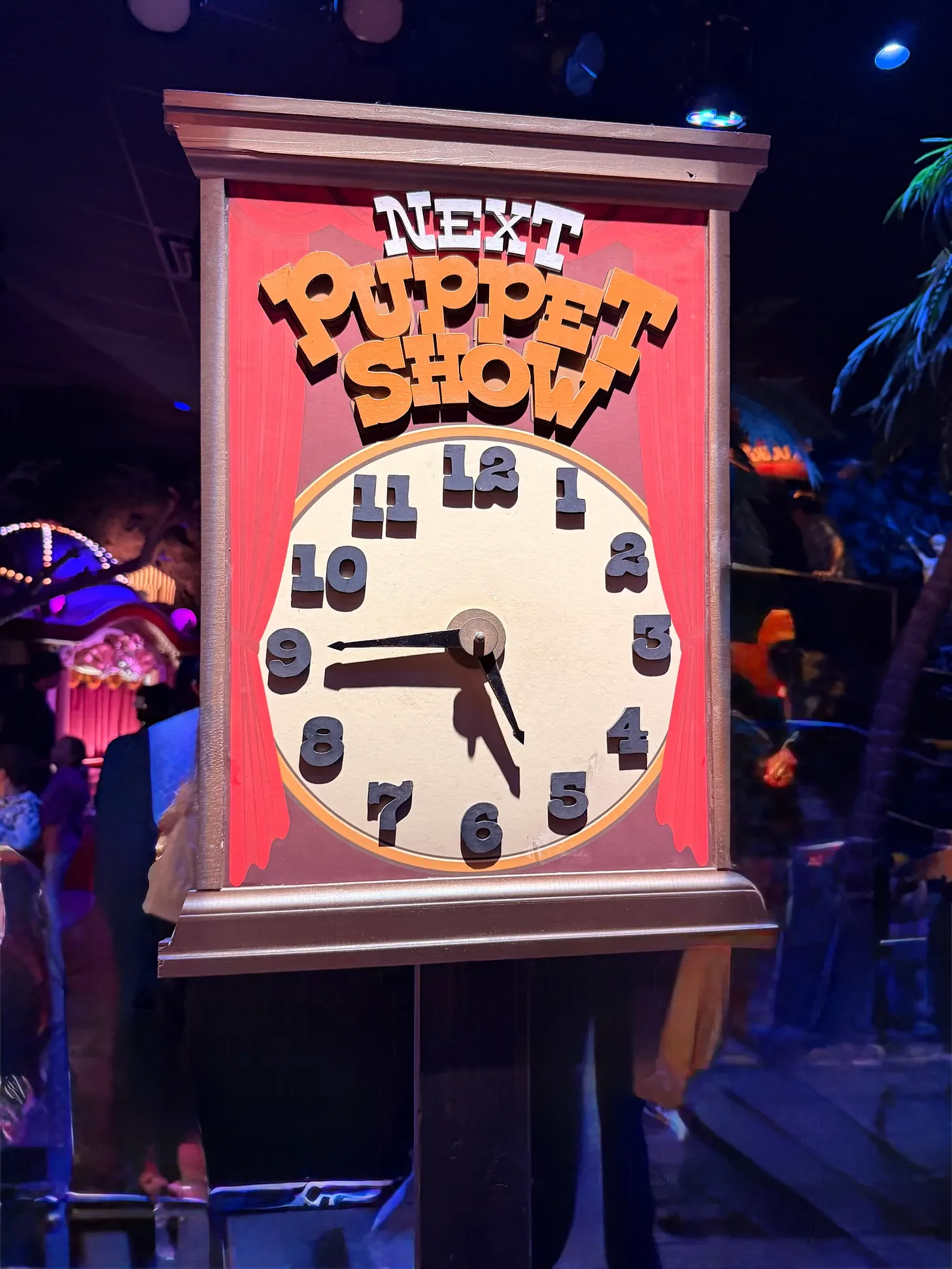
So when you see the optional spend, it reads as choice vs. penalty. “Want to keep the night going?” not “pay more to make this worth it.”
It made me appreciate how hard it is to do right by the customer while also making sure you’re commercially viable. Too often you’re stuck under-delivering and forcing the upsell, or over-delivering and having no levers. Casa Bonita somehow does both: it feels abundant, and it still gives you plenty of ways to spend if you’re inspired to cement more memories.
And somehow I realized the gravity behind the brand
It was while my 13- and 11-year-old girls were waiting for their balloon animals (?!) that I was inspired to write this essay. The experience was genuinely inspiring, even beyond nostalgia and spectacle.
I think it’s because it’s a reminder of what a brand is when it’s manifested in the product: the promise you make, and the experience you can deliver under real constraints, for real people.
Casa Bonita promises you a story. It promises you theater. It promises you a night that will be different from a normal dinner.
And it delivers on that promise with an operating model that supports it:
a world you can wander, so the experience doesn’t rely on a single moment
signature spectacle, so the brand has a center of gravity
generous included cues, so value feels obvious
optional add-ons, so unit economics have room to breathe
“good enough” food plus a couple hero items, so you don’t break the spell at a critical moment of truth
Most importantly, it delivered what we were actually buying that night: a shared family experience. Ending a trip that would have otherwise concluded as “a nice day” with something better: a real adventure.
The kind your husband recounts to his mom later, and you realize as you listen that the details keep stacking up because the place is engineered for story as the end product. And the engine is what keeps that product consistent: the unglamorous discipline that makes it work for the next family that walks in.
